
Food intolerances also play a key role. Substances like lactose , fructose , or gluten can be difficult for some people to process. When the body can’t properly digest these components, they reach the intestine where they are fermented by bacteria, generating excess gas. Often, these intolerances go unnoticed for years, with the symptoms being mistaken for minor ailments.
This is compounded by the high consumption of certain types of carbohydrates known as FODMAPs , found in foods such as bread, legumes, and some fruits. These compounds are highly fermentable, meaning they serve as food for gut bacteria. While this isn’t inherently negative, in some people it can lead to excessive gas production, especially if there is a pre-existing digestive sensitivity.
A common habit that is often underestimated is swallowing air . Eating too quickly, talking while chewing, or using straws while drinking are all behaviors that encourage air to enter the digestive system. This air accumulates and is later released as burps or flatulence, causing discomfort. Although it may seem like a minor detail, it can be a frequent cause of discomfort.
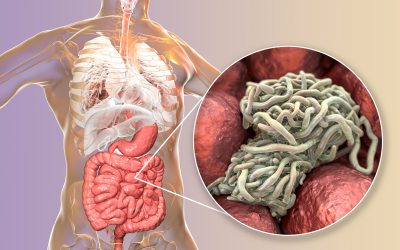
In addition, there are underlying digestive conditions that can intensify this problem. Disorders such as gastritis , intestinal dysbiosis , or irritable bowel syndrome disrupt the natural balance of the digestive system. This affects how food is processed, increasing gas production and leading to more persistent symptoms.