
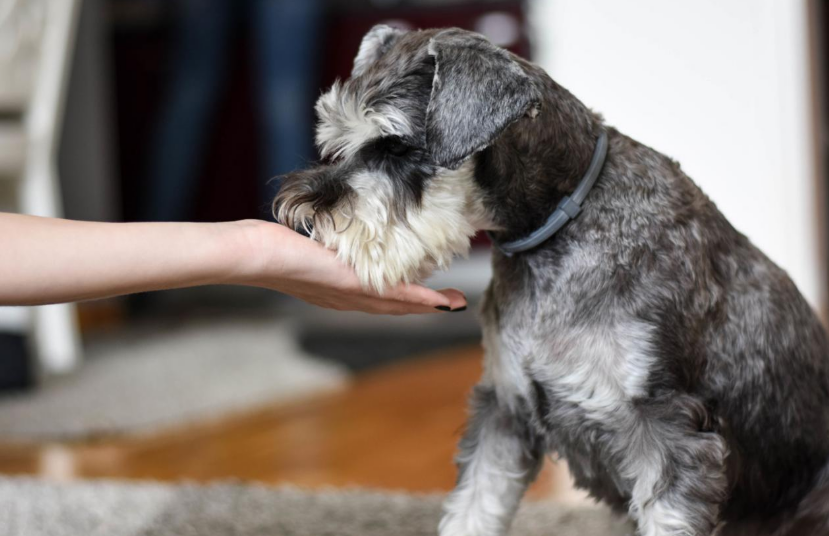
Dogs also use sniffing as an important social behavior. When two dogs meet, they often sniff each other to learn about health, reproductive status, recent activities, and emotional condition. When interacting with humans, they simply adapt this instinctive behavior to the strongest scent sources available.
Interestingly, dogs may also detect subtle chemical changes associated with stress, fear, excitement, hormonal fluctuations, or illness. Scientific studies have shown that specially trained medical detection dogs can sometimes recognize changes related to conditions such as low blood sugar, seizures, or certain types of cancer by identifying unique scent patterns. However, an ordinary pet sniffing someone is not reliable evidence that a person has a medical condition.
Young puppies and adolescent dogs are especially likely to sniff people because they are still learning social boundaries. Curious dogs naturally investigate unfamiliar smells as they explore their environment.
If your dog frequently greets guests this way, gentle training can help. Teaching commands such as “sit,” “leave it,” or redirecting attention with treats or toys can encourage more appropriate greetings. Consistent positive reinforcement is usually much more effective than punishment.