

When you lie on your left side, the position of your heart relative to the chest wall changes.
The mechanical sensation of each heartbeat can therefore become more noticeable.
You might think:
“My heart is beating faster.”
But sometimes it’s simply that you’re feeling the heartbeat more clearly.
If you experience occasional awareness of your heartbeat without other symptoms, changing position may make the sensation disappear.
However, recurrent palpitations deserve medical attention, particularly if they’re accompanied by:
Chest pain
Fainting
Severe dizziness
Shortness of breath
7. What About People With Heart Disease?
For some people with cardiovascular conditions, sleeping position can affect comfort.
For example, people with certain forms of heart failure may experience more shortness of breath when lying flat.
They may naturally prefer:
Sleeping on their side
Sleeping with the upper body elevated
Using several pillows
Sleeping in a reclined position
There is no universal “best heart position.”
If you have diagnosed heart disease and regularly wake up short of breath, don’t simply change your sleeping position and ignore the symptom.
Nighttime breathing difficulties can require medical evaluation.
8. Can Left-Side Sleeping Help Digestion?
This is one area where the claim has some biological plausibility.
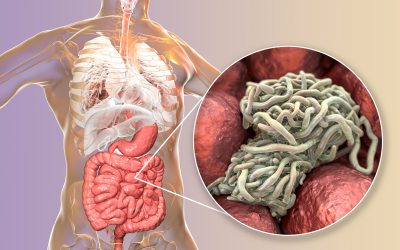
Because of the position of the stomach and digestive tract, left-side sleeping may help some people with:
Acid reflux
Heartburn
Post-meal discomfort
However, it isn’t a universal treatment for digestive problems.
Conditions such as:
Irritable bowel syndrome
Constipation
Inflammatory bowel disease
Gallbladder disease
have different mechanisms and shouldn’t be treated simply by changing sleep position.
9. What About Constipation?
You may see claims that sleeping on your left side can “flush waste through the colon.”
That wording is misleading.
Your digestive system doesn’t need to be “flushed” overnight.
However, body position can influence gastrointestinal movement in some circumstances, and gentle movement during the day is generally much more important for maintaining bowel regularity.
For constipation, focus on:
Adequate fiber
Appropriate fluid intake
Regular physical activity
Consistent bathroom habits
Persistent constipation should be evaluated rather than treated solely through sleeping position.