
How Do Children Get Pinworms?
Pinworm infections spread very easily, especially in environments like schools or daycare centers.
Children become infected when they accidentally swallow microscopic pinworm eggs. These eggs can be found on:
- Hands and fingernails
- Toys and surfaces
- Bedding or clothing
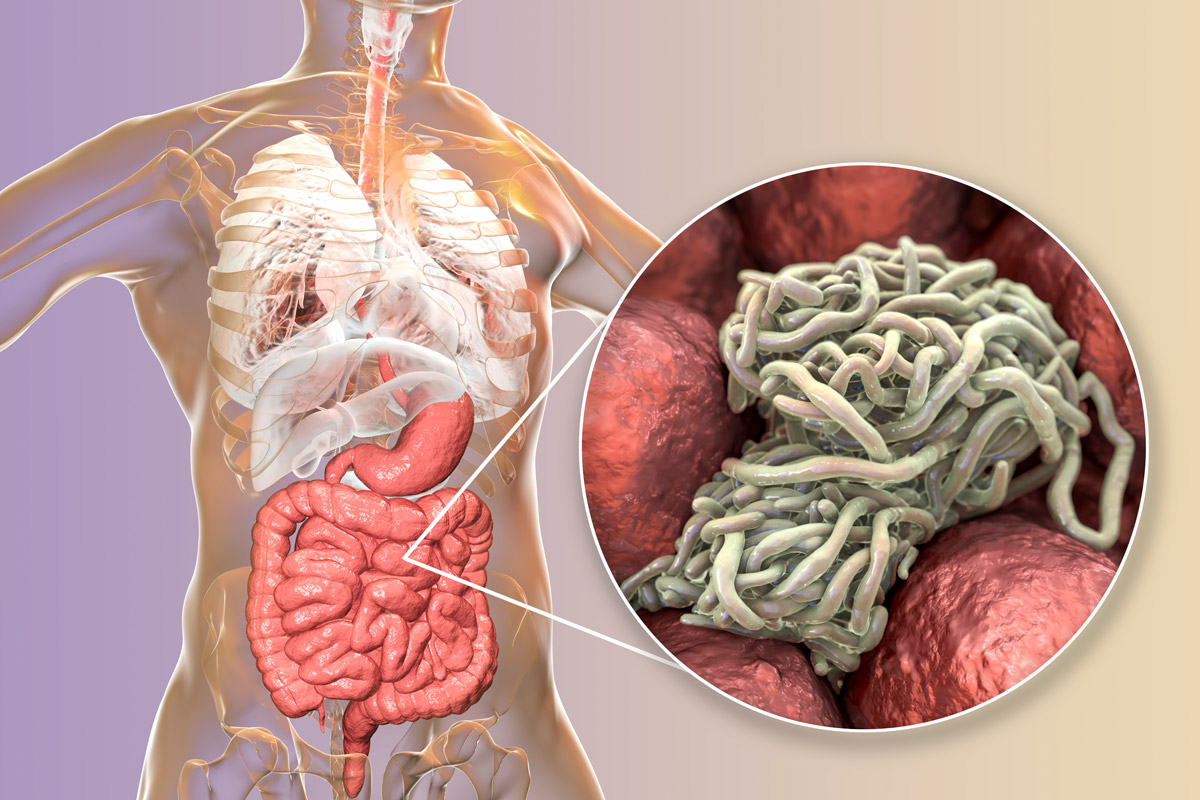
Once inside the body, the eggs hatch in the intestines and mature into adult worms within a few weeks.
Scratching the itchy area can transfer eggs back onto the hands, allowing the cycle to continue or spread to others.
Common Symptoms to Watch For
Although some children show no symptoms, others may experience:
- Persistent itching around the anus (especially at night)
- Difficulty sleeping
- Irrability or restlessness
- Occasional stomach discomfort
In some cases, girls may also experience irritation in the vaginal area.
How Are Pinworms Treated?
Pinworm infections are usually easy to treat with anti-parasitic medications.
Treatment typically involves:
- A first dose to kill the worms
- A second dose two weeks later to eliminate newly hatched worms
Doctors often recommend treating the entire household, even if others don’t show symptoms, to prevent reinfection.