

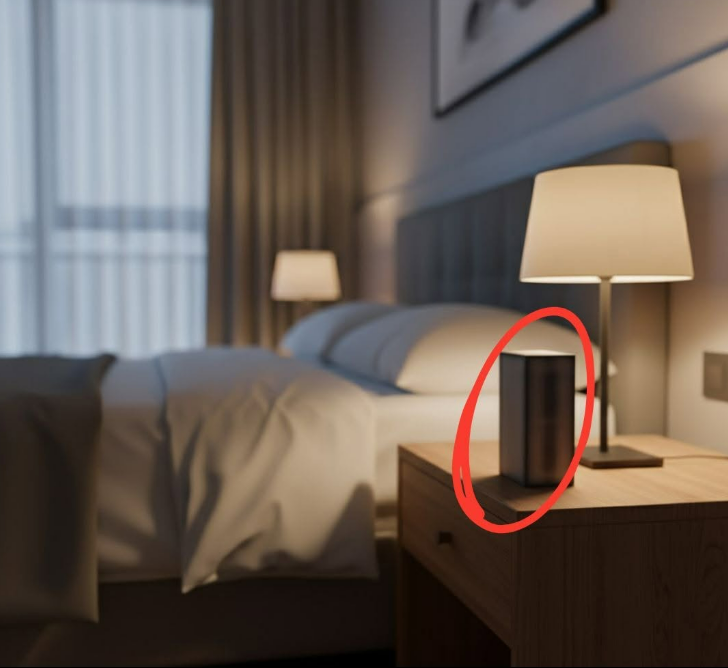
Your lungs react to what you breathe in — even the things you can’t see or smell.
Common indoor air concerns include:
-
Volatile Organic Compounds (VOCs) – gases emitted from paints, cleaners, furniture, and air fresheners
-
Fine Particulate Matter (PM2.5) – tiny particles that can lodge deep in the lungs
-
Ozone – produced by some air purifiers and cleaning devices
These pollutants may contribute to:
-
Irritated eyes, nose, or throat
-
Asthma attacks
-
Headaches or fatigue
-
Increased risk of lung infections
People with asthma, allergies, children, and the elderly are more sensitive to poor indoor air.
6 Common Household Items to Use More Mindfully
1. Scented Candles & Air Fresheners
They may smell pleasant, but many release fragrance chemicals like limonene or phthalates.
When limonene reacts with indoor ozone, it can form formaldehyde, a respiratory irritant.
Burning paraffin wax (a petroleum by-product) can also emit soot and VOCs, similar to those found in car exhaust.
Safer tips:
-
Choose beeswax or soy candles with cotton wicks
-
Avoid synthetic fragrances — use essential oils sparingly
-
Always ventilate the room while burning candles
-
Limit use if you or someone in the home has asthma or allergies