

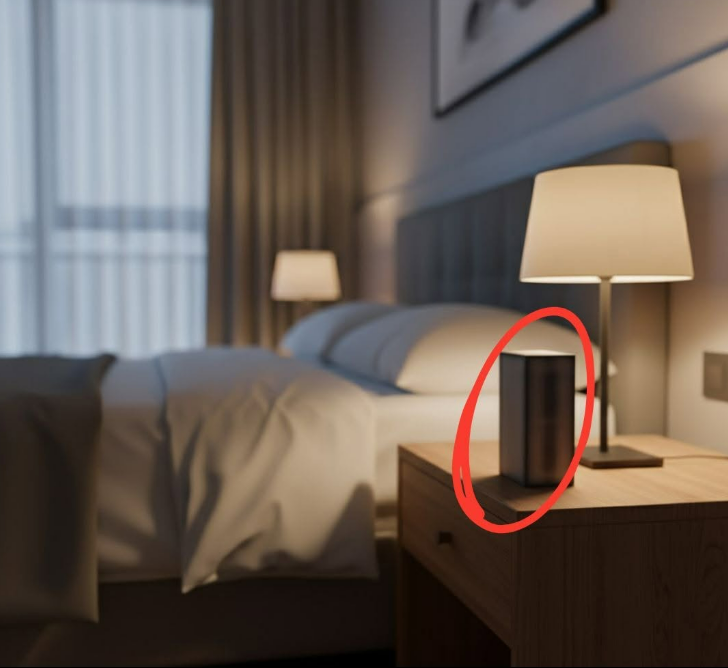
occasional use is likely fine — just don’t make it a daily habit in closed spaces.
. Non-Ventilated Cleaning Products
Strong cleaners like bleach, oven sprays, or ammonia release harsh fumes that irritate lungs and eyes.
Mixing certain chemicals (e.g. bleach + vinegar) can even create toxic chlorine gas.
Safer tips:
-
Opt for natural alternatives like vinegar, baking soda, or castile soap
-
Always open windows or use exhaust fans when cleaning
-
Wear gloves, and don’t inhale directly — even with milder products
-
Store cleaners safely away from children and pets
Even “green” cleaners can release VOCs — read labels carefully.
3. Plug-in Air Fresheners & Automatic Sprays
These products release fragrance continuously, contributing to long-term exposure. Some contain phthalates, which have raised concerns in hormone-related studies on animals.
Safer tips:
-
Use them intermittently, not constantly
-
Place them in well-ventilated rooms
-
Try activated charcoal, houseplants (like spider plants or snake plants), or HEPA purifiers for natural freshness
Remember: a clean-smelling home isn’t always a clean-air home.
4. Pressed Wood Furniture & Particleboard
Often used in desks, shelves, and cabinetry, these materials can emit formaldehyde — especially when new or low-quality.
Safer tips:
-
Look for furniture labeled CARB Phase 2 or TSCA Title VI compliant — both ensure low formaldehyde emissions
-
Let new furniture off-gas in the garage or a sunny room before bringing it inside
-
Improve airflow in newly remodeled or furnished rooms
-
Consider solid wood options if budget allows — they last longer and emit fewer chemicals
Even the glue and varnish used on furniture can impact air quality — ventilation helps.