

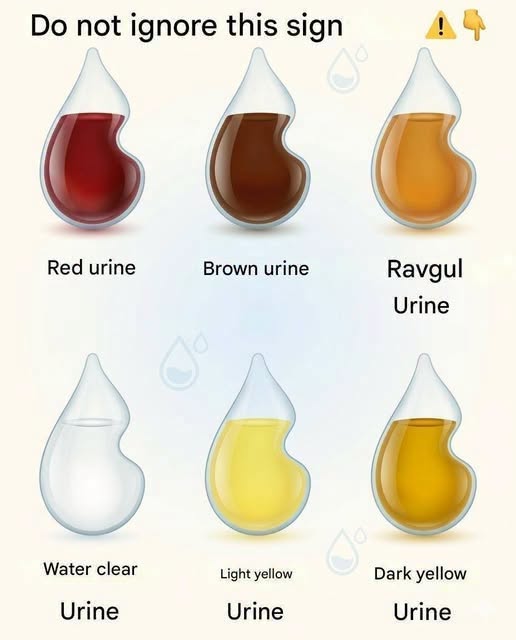
Other factors that can affect urine color include:
Foods
Vitamins and supplements
Prescription medications
Certain medical conditions
Clear or Nearly Transparent Urine
Crystal-clear urine often means you’re drinking a large amount of water.
While staying hydrated is essential, consistently producing completely clear urine may indicate you’re consuming more fluids than your body needs. In most cases, this isn’t harmful. However, if it’s accompanied by excessive thirst or frequent urination, it’s worth discussing with your healthcare provider.
Pale Yellow: The Healthy Standard
Light yellow urine is generally considered a sign of healthy hydration and normal kidney function.
This color usually indicates that your body is getting enough fluids without becoming overhydrated. Many healthcare professionals consider pale yellow urine to be an ideal target.
Dark Yellow or Amber
Dark yellow or amber urine commonly signals mild dehydration.
This often happens:
After exercise
During hot weather
After spending several hours without drinking enough fluids
Drinking water usually restores a lighter color fairly quickly. If dark urine persists despite good hydration, another cause may be responsible.
Orange Urine
Orange urine can result from several factors, including:
Dehydration
Certain medications