

Vitamin supplements (especially high-dose B vitamins)
Foods containing strong natural or artificial pigments
Occasionally, orange urine may be linked to liver or bile duct problems, particularly if it’s accompanied by yellowing of the skin or eyes. Persistent orange urine should be evaluated by a healthcare professional.
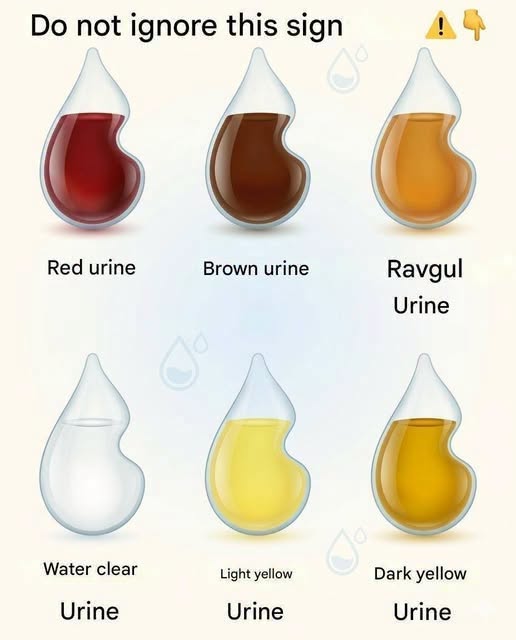
Pink or Red Urine
Seeing red or pink urine can be startling, but it isn’t always a medical emergency.
Sometimes the cause is simply food, including:
Beets
Blackberries
Rhubarb
However, red urine can also indicate blood in the urine, which may be associated with:
Urinary tract infections (UTIs)
Kidney stones
Kidney disease
Bladder conditions
Other urinary tract disorders
If you can’t explain the color by something you’ve recently eaten or taken, it’s important to seek medical evaluation promptly.
Brown Urine
Brown urine may occur because of:
Severe dehydration
Certain medications
Some foods
Liver disorders
Kidney disease
In rare cases, intense exercise can lead to muscle breakdown that causes brown urine. If brown discoloration continues or is accompanied by other symptoms, medical assessment is recommended.
Blue or Green Urine
Blue or green urine is uncommon but can occur after:
Certain medications
Medical dyes used during diagnostic procedures
Artificial food coloring
Less commonly, these colors may be associated with specific infections or rare metabolic disorders. If the change cannot be explained and persists, consult your healthcare provider.
When Should You See a Doctor?
Although many urine color changes are harmless, seek medical advice if you notice color changes along with: